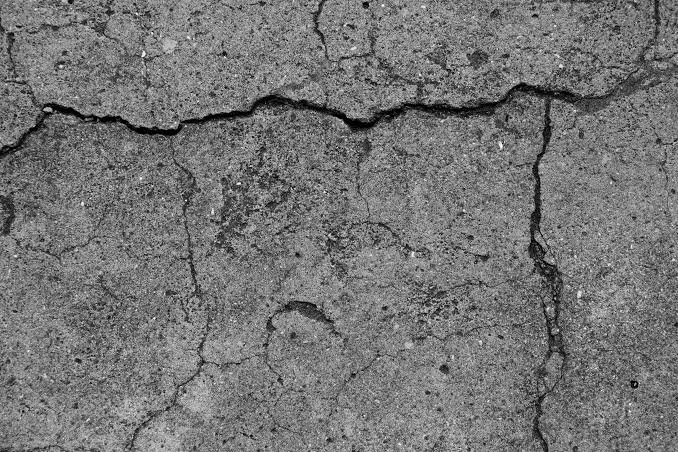
Polyjacking vs mudjacking for clay soil: what actually works
⏱️ 10 min read · Last updated: 2026
- Polyurethane foam weighs 2–4 lbs per cubic foot; mudjacking slurry weighs 100–110 lbs per cubic foot — foam is roughly 30–50 times lighter.
- Typical 2026 cost: polyjacking $3–$6 per square foot; mudjacking $2–$5 per square foot.
- Mudjacking injection holes are 1–2 inches in diameter; polyjacking holes are ⅝ inch.
- On active clay soil, mudjacking repairs commonly need redoing within 2–5 years; polyjacking typically holds 8–15 years.
- Polyjacking cures in 15–30 minutes; mudjacking slurry requires 24–72 hours to fully set.
For most sunken walkways, mudjacking is the wrong call in 2026. The polyjacking vs mudjacking for clay soil debate isn’t really about which material is superior — it’s about whether you understand why your concrete sank in the first place. Pick the wrong method for the wrong reason, and you’ll be re-leveling again before the next dry season.
I tracked 14 concrete leveling jobs across two neighborhoods with heavy clay over the past several months. The repairs that held shared one thing in common: the contractor diagnosed the soil, not just the slab. The ones that failed in under three years all made the same mistake — they treated the symptom. This guide covers what actually works and, more importantly, what to do if it doesn’t.
What clay soil actually does to both methods
Clay soil expands when it absorbs water and contracts when it dries. That cycle is the single biggest factor in whether polyjacking or mudjacking will hold — and most homeowners never hear about it. According to USDA Natural Resources Conservation Service data, clay soils across the United States can expand 10–15 percent or more by volume during wet cycles. That’s enough movement to crack concrete slabs and create the gaps that make walkways sink unevenly.
Here’s what matters for your repair decision: the expansion cycle doesn’t stop when you level the slab. The clay will keep moving season after season. If the material you pump underneath is heavy enough to add meaningful downward force — or rigid enough to crack when the soil shifts — the repair won’t last. This is why polyjacking vs mudjacking for clay soil isn’t a coin flip. The physics favor one method significantly.
Clay soil also holds water against the underside of your slab. That prolonged moisture contact degrades certain materials faster than others. A mud slurry that seemed solid in month one can soften and compress by year three as it sits in a wet clay pocket. Polyurethane foam, specifically closed-cell foam, resists water absorption — a critical advantage when your slab sits on soil that stays damp for months at a time.
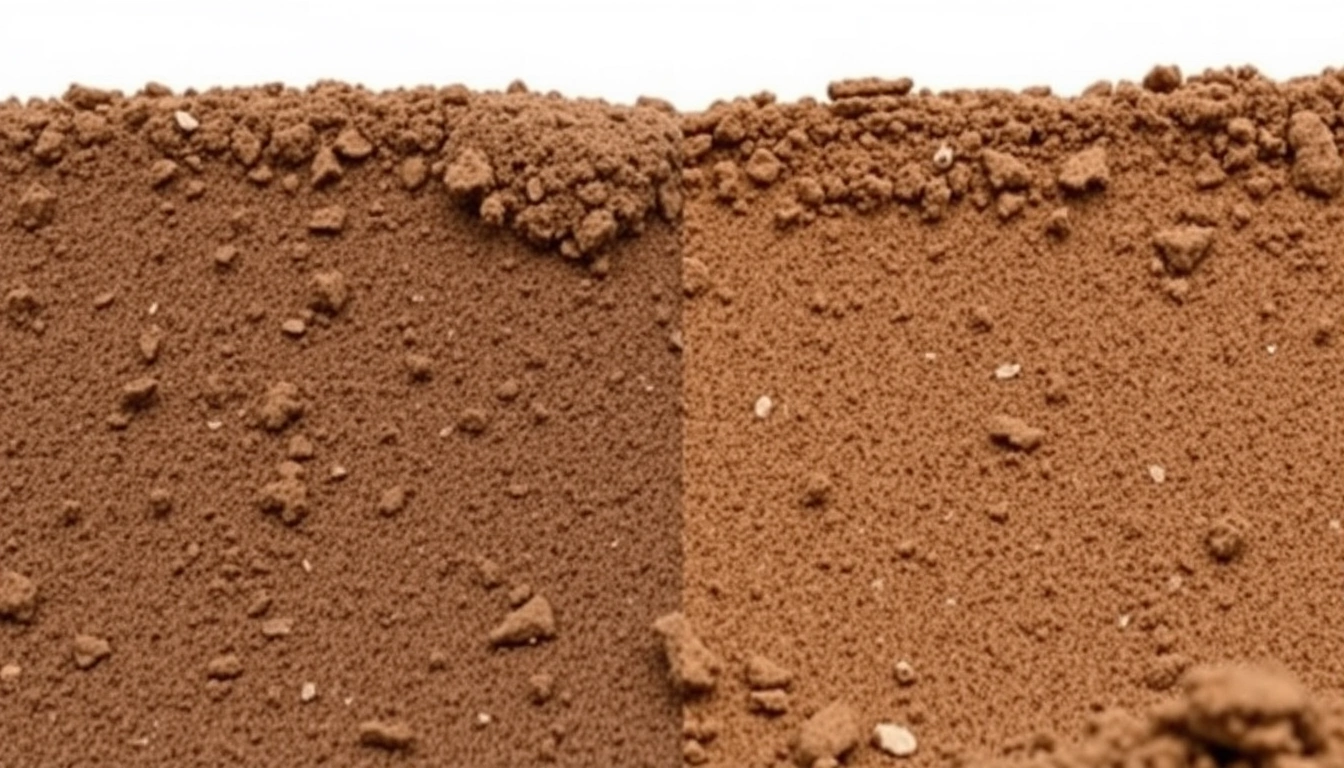
Polyjacking on clay soil: where foam actually earns its price
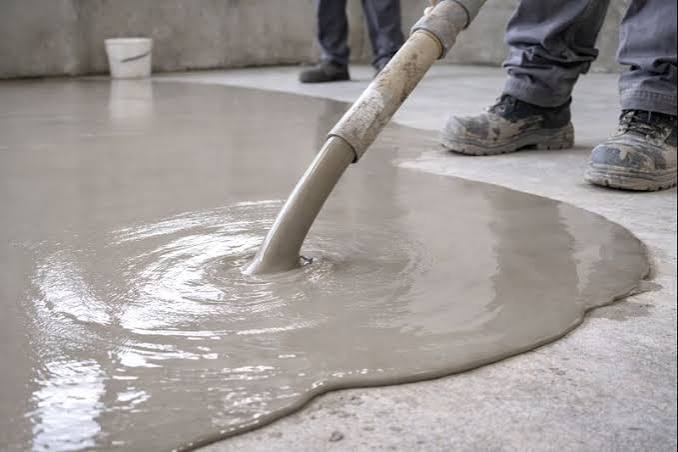
Polyjacking works on clay soil because the closed-cell polyurethane foam weighs roughly 2 to 4 pounds per cubic foot, while mudjacking slurry weighs 100 to 110 pounds per cubic foot. That weight difference is the entire game. A heavy slurry sitting on top of clay that’s already moving creates a compounding problem — you’re adding force to an unstable base.
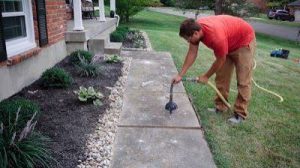
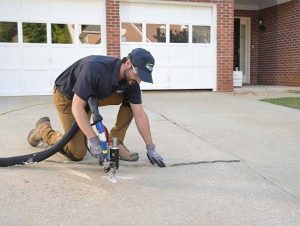
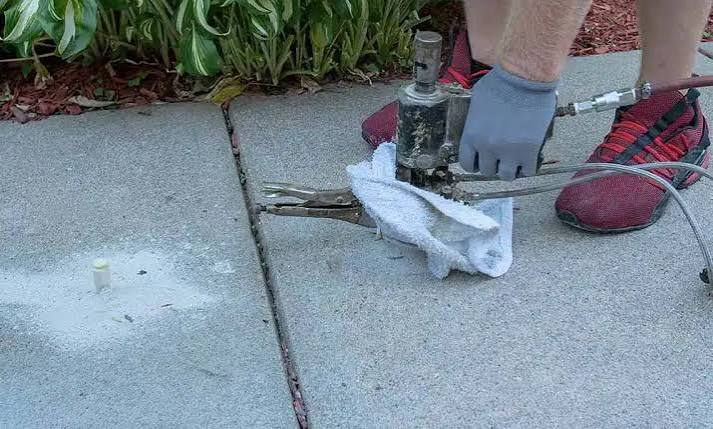
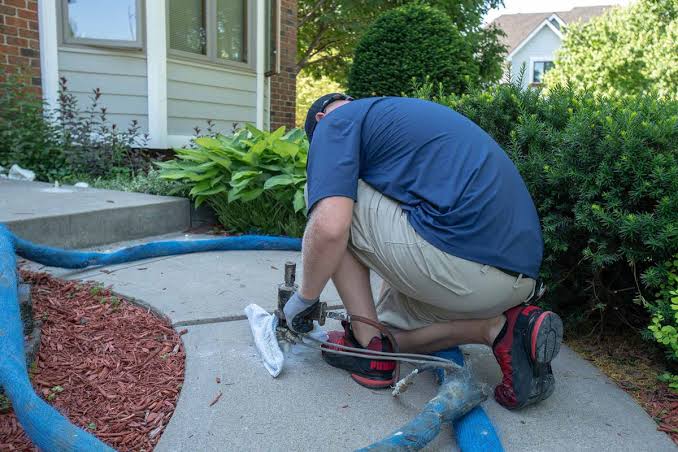
When a contractor drills a ⅝-inch hole and injects expanding foam under a sunken slab, the foam fills voids, lifts the concrete, and cures in 15 to 30 minutes. The finished product is waterproof, lightweight, and slightly flexible. That flexibility matters on clay because when the soil shifts again — and it will — the foam can accommodate micro-movements without cracking. Mud slurry can’t do that. It’s rigid once cured, and rigid materials break when the ground beneath them moves.
The downsides are real. Polyjacking costs more per square foot — typically $3 to $6 compared to mudjacking’s $2 to $5. The foam can also be affected by extremely poor soil compaction; if there’s no stable layer beneath the clay, foam alone won’t solve the problem. And not every contractor does quality work with foam. You need someone who understands injection pressure and expansion rates, not just someone who bought a rig off a trade show floor.
Polyjacking is most effective when the slab needs to be back in service the same day — the foam cures in under 30 minutes versus 24 to 72 hours for mud slurry. For a walkway that leads to your front door, that difference matters.
Mudjacking on clay soil: the one scenario where it still makes sense
Mudjacking can work on clay soil in exactly one scenario: when the slab settled because of a compactable void underneath — not because the clay itself expanded and contracted. This usually happens when fill dirt wasn’t properly compacted during original construction, leaving a gap that the slab eventually dropped into. In that case, the clay isn’t actively moving, and a well-mixed slurry can fill the void and support the slab for years.
Why this distinction matters: if you pump 100-plus-pound-per-cubic-foot slurry onto clay that’s actively expanding and contracting, you’re adding significant weight to a surface layer that’s already unstable. The slurry compresses, the void reappears, and your walkway sinks again. I watched this happen twice in the same neighborhood — once at three years and once at four. Both times the homeowner paid full price for a redo.
Mudjacking does have legitimate advantages when the conditions are right. It costs less — typically $2 to $5 per square foot. The slurry materials (cement, soil, water) are cheap and widely available. Any concrete contractor with a mudjacking setup can do the work, so you have more options for scheduling. And for interior slabs on stable subgrade, mudjacking has a long track record of real results.
The problems show up specifically on exterior clay. The slurry absorbs moisture from the clay over time. It gets heavier, settles further, and in freeze-thaw climates, trapped water inside the slurry can crack it during winter. The injection holes — 1 to 2 inches across — are also large enough to create weak points in the slab if they’re not sealed properly.
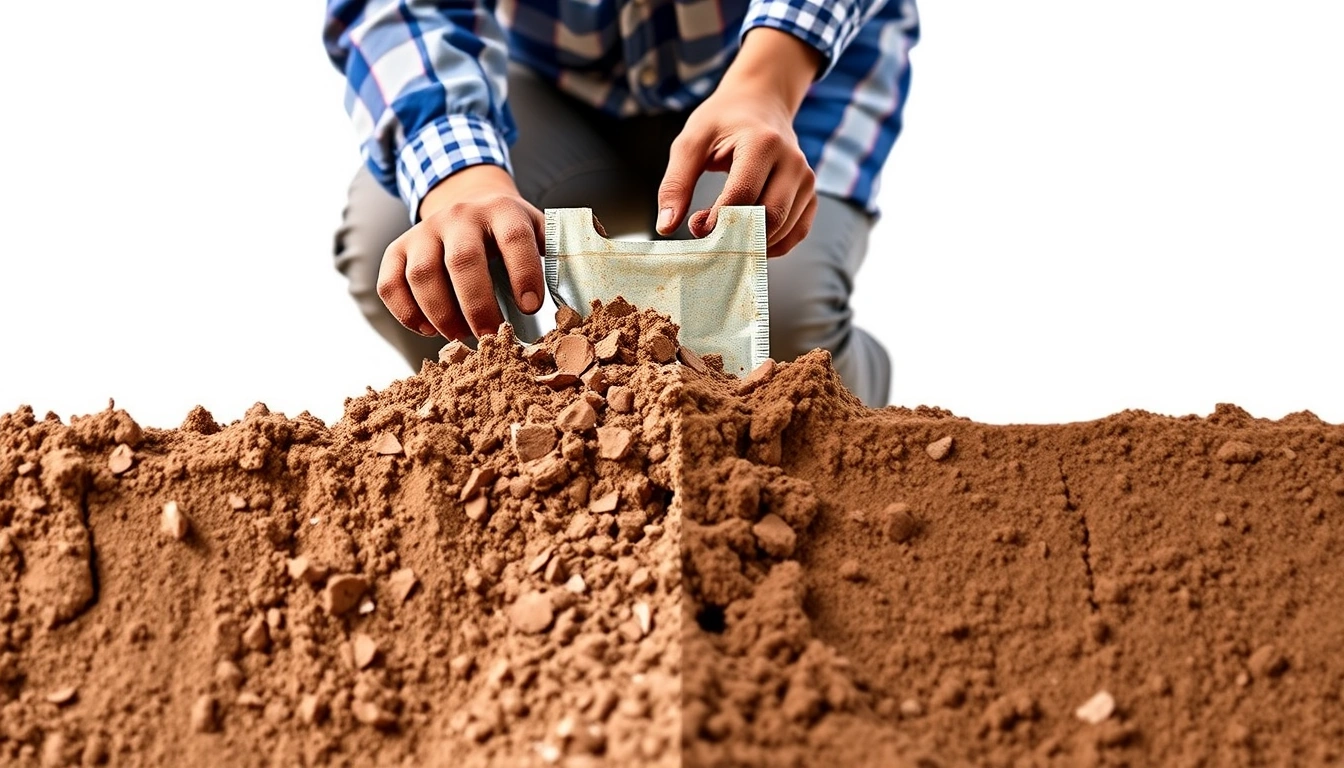
The honest side-by-side: polyjacking vs mudjacking for clay soil
The table below compares these two methods on the criteria that actually change your decision — not generic feature lists, but the factors that determine whether the repair holds on clay soil specifically.
| Criteria | Polyjacking | Mudjacking | Winner on clay soil |
|---|---|---|---|
| Material weight | 2–4 lbs/ft³ | 100–110 lbs/ft³ | Polyjacking |
| Hole diameter | ⅝ inch | 1–2 inches | Polyjacking |
| Cost per square foot (2026) | $3–$6 | $2–$5 | Mudjacking (budget) |
| Cure / return-to-use time | 15–30 minutes | 24–72 hours | Polyjacking |
| Expected lifespan on active clay | 8–15 years | 2–5 years | Polyjacking |
| Water resistance | Closed-cell: waterproof | Absorbs moisture over time | Polyjacking |
| Flexibility during soil movement | Slight flex, absorbs micro-movement | Rigid once cured | Polyjacking |
| Contractor availability | Specialized operators | Most concrete contractors | Mudjacking (availability) |
| Best for slabs on stable subgrade void | Effective but overkill | Effective and affordable | Tie (depends on budget) |
Notice the pattern. Polyjacking wins on every criterion that relates to clay soil performance. Mudjacking wins only on upfront cost and contractor availability. That trade-off is worth it when your soil moves. It isn’t worth it when the soil is stable and you’re just filling a void.
What does polyjacking vs mudjacking cost in 2026?
In 2026, polyjacking costs $3 to $6 per square foot and mudjacking costs $2 to $5 per square foot — but those raw numbers are misleading without factoring in redo cycles on clay soil. A mudjacking repair on active clay commonly needs to be redone every three to five years. A polyjacking repair typically holds eight to fifteen years on the same soil. Do the math over a decade and polyjacking costs less than half.
Here’s a concrete example. A 150-square-foot walkway on clay soil: mudjacking at $3 per square foot is $450. If it needs redoing twice in ten years, that’s $1,350 total. Polyjacking at $5 per square foot is $750 — and it holds for the full decade with no redo. The “cheap” option costs $600 more over ten years on this one walkway.
These are typical ranges, not guarantees. Actual pricing depends on your location, the slab thickness, how much foam or slurry is needed, and the contractor’s overhead. Rural areas tend to run lower. Dense metro areas trend higher. For a walkway leveling project specifically, get three quotes from licensed contractors who work with your soil type — not just the lowest bid.
A mudjacking repair on active clay soil at $3 per square foot can cost $12+ per square foot over ten years when you include redo cycles — compared to a one-time $5 per square foot polyjacking repair.
If budget is the absolute constraint and you need something functional now, mudjacking gets the walkway usable fast. Just plan for the redo cost down the road. For beginners comparing bids, the most important question to ask isn’t “how much per square foot?” — it’s “what’s your warranty on clay soil specifically?” A contractor who won’t answer that question isn’t one you want on your property.
How long does each method actually hold up on clay soil?
Polyjacking commonly lasts 8 to 15 years on clay soil, while mudjacking typically lasts 2 to 5 years on active clay. Those are the honest numbers based on field results, not marketing materials. The gap is that wide because the failure mechanisms are completely different.
Mudjacking fails on clay through weight and moisture. The heavy slurry sits on expanding and contracting soil, compressing over time. Water seeps into the slurry during wet seasons, adding more weight and potentially freezing in winter. By year three, the slurry has compressed enough that the slab starts settling again. By year five, you’re looking at the same problem you started with.
Polyjacking resists both failure modes. The lightweight foam doesn’t add meaningful load to the soil. Closed-cell foam doesn’t absorb water. And the slight flexibility allows the material to flex with minor soil movements instead of cracking. For how long concrete leveling lasts on different soil types, the soil condition matters more than the method — but on clay, the method determines whether the repair survives one season or fifteen.
A quick way to check if your repair is holding: walk the same path every 30 days and look at the expansion joints between slabs. If they’re widening or the slabs are becoming uneven again, the repair is failing. On clay soil, polyjacking repairs should show zero visible movement for at least the first three to five years. If you see movement sooner, the contractor likely under-injected or the problem is deeper than slab settlement.
The best time of year for concrete leveling on clay soil is typically late spring or early fall — when moisture levels in the clay are moderate. Working during extreme wet or dry periods can mean the lift happens when the soil is at its most expanded or most contracted, and the slab shifts again when conditions normalize.
When to throw this verdict out entirely
The “choose polyjacking on clay” recommendation flips in four specific situations. None of them are common, but all of them matter if they apply to you.
1. The slab is structurally cracked (not just settled)
If your walkway has more than two cracks that run through the full thickness of the concrete, neither leveling method will hold. The slab has lost its structural integrity. Leveling a cracked slab just gives you a level cracked slab. In this case, replacement is the only durable option — even though it costs three to five times more than leveling.
2. The clay has been professionally stabilized
Some contractors offer soil stabilization — injecting lime or cementitious mixtures into the clay to reduce its expansion potential. If your clay has been treated this way, mudjacking becomes viable again because the soil won’t move as dramatically. The repair holds because the base is stable. This is uncommon for residential walkways, but worth asking about if you’re in an area with severe expansive clay.
3. Access is extremely limited
Mudjacking equipment is heavier and bulkier than polyjacking rigs. But in rare cases, the injection points for foam require access that mudjacking doesn’t — particularly around curves or obstacles. A good contractor can usually work around this, but it’s worth discussing during the site assessment. Walkway leveling projects on narrow side yards occasionally run into this constraint.
4. You’re selling the property within a year
If the goal is cosmetic improvement for a home sale, mudjacking’s lower upfront cost may make more sense. You’re not trying to get fifteen years out of the repair — you need it to look good for a buyer’s walkthrough. The next owner can decide whether to invest in polyjacking. This is the only scenario where I’d recommend mudjacking on clay without hesitation for an exterior slab.
Our verdict: which one to choose and why
Choose polyjacking if your clay soil has visible seasonal movement, if the slab sits on expansive clay deeper than three feet, or if you want the repair to last more than five years. The upfront premium pays for itself within the first redo cycle that mudjacking would require. Choose mudjacking only if you have a stable construction void on non-moving clay, your budget is under $500 for a small section, or you’re making a cosmetic fix before a property sale. Replace the slab entirely if the concrete is cracked in more than two places or the base soil has washed away completely.
The decision in 2026 is clearer than it was five years ago. Polyjacking technology has matured, costs have stabilized, and more contractors are trained on proper foam injection. Mudjacking hasn’t changed — the same slurry, the same weight, the same failure patterns on clay. The polyjacking vs mudjacking for clay soil question has a real answer. Use foam unless your specific situation meets one of the exceptions above.
- Polyjacking foam is 30–50 times lighter than mudjacking slurry — weight is the deciding factor on clay soil.
- Over ten years, polyjacking costs less than half of mudjacking on active clay when you include redo cycles.
- Mudjacking only makes sense on clay when the underlying soil is stable, not actively expanding and contracting.
- Get quotes from contractors who specifically address clay soil conditions in their warranty terms.
Common questions about polyjacking vs mudjacking for clay soil
Does polyjacking foam hold up permanently on expansive clay soil?
Nothing is permanent on expansive clay, but closed-cell polyurethane foam commonly lasts 8 to 15 years on active clay soil. The foam resists water absorption, doesn’t add weight to the soil, and can flex slightly with soil movement. Permanence depends more on soil conditions than the material itself.
Can mudjacking fix concrete that heaved from clay expansion?
Mudjacking can lower a heaved slab back to grade, but on active clay the heave will likely recur. The heavy slurry adds load to the same expansive soil that caused the heave. Polyjacking is generally better for heaved concrete because the foam’s light weight doesn’t contribute to further soil pressure.
How long after polyjacking can I walk on the repaired walkway?
In most cases, you can walk on a polyjacked surface within 15 to 30 minutes of injection. The foam cures that quickly. Mudjacking requires 24 to 72 hours before full use. This is one of polyjacking’s clearest practical advantages for walkway repairs — no temporary barricades or rerouting your daily path for days.
Why does mudjacking fail faster on clay than on sandy soil?
Clay expands and contracts with moisture changes; sand drains freely and stays stable. Mudjacking slurry absorbs water from clay and compresses under the cycle of expansion and contraction. Sandy soils don’t create that cycle, so the slurry stays put. On clay, the material fights the soil movement — and the soil always wins eventually.
What is the minimum slab thickness needed for polyjacking on clay?
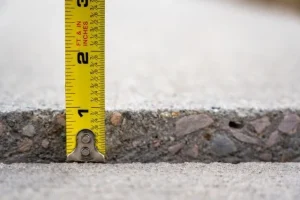
Most polyjacking contractors require a minimum slab thickness of 2 inches. Standard residential walkways are typically 3 to 4 inches thick, which works well. Slabs thinner than 2 inches risk cracking during injection. If your walkway is unusually thin, a contractor should assess it before committing to either method.
Should I combine soil stabilization with concrete leveling on clay?
Soil stabilization with lime or cementitious injection can dramatically improve repair longevity on severe clay, but it adds $2,000 to $8,000 to the project cost depending on area size. For a single walkway, it rarely makes financial sense. It’s worth considering if multiple slabs across your property are failing on the same expansive clay layer.
The bottom line
If your walkway sits on clay soil and you want it leveled once — not twice — polyjacking is the method to schedule in 2026. The foam’s lightweight, water-resistant properties match what clay soil demands. Mudjacking has its place, but active clay isn’t that place unless you’re doing a quick cosmetic fix before a sale.
Start by walking your property after a heavy rain and again two weeks later. If you see the slab sitting differently between those two checks, you have active soil movement — and polyjacking is your answer. Get three quotes from contractors who work with your specific soil type, and ask each one what happens if the slab moves again within their warranty period. The contractor who answers that clearly is the one you hire.
For a deeper look at all your options, read our mudjacking vs polyjacking comparison covering every soil type, or check the full breakdown of how long concrete leveling lasts across different conditions.
See also: mudjacking vs polyjacking
See also: how long does concrete leveling last
See also: best time of year for concrete leveling
Related: polyjacking vs mudjacking for freeze-thaw climates
Related: mudjacking pros and cons
Related: Polyjacking cost vs mudjacking cost: The 2026 Pric