Polyjacking cost vs mudjacking cost: The 2026 Price Breakdown
⏱️ 8 min read · Last updated: 2026
- Polyjacking (polyurethane foam) cost: $5–$8 per square foot in most U.S. markets.
- Mudjacking (slurry) cost: $3–$5 per square foot, common for basic concrete lifting.
- Material cost difference: Polyurethane foam price is 60–100% higher per pound than mudjacking slurry.
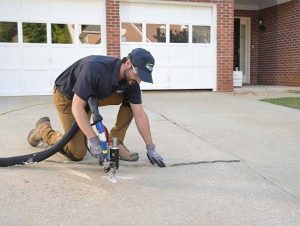
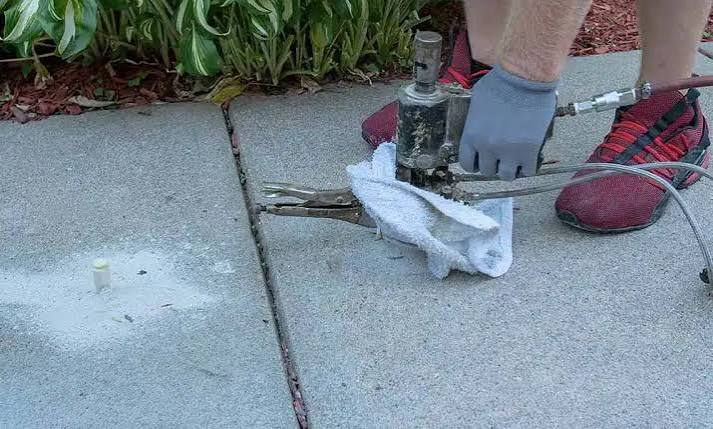
- Drill hole count: Polyjacking uses 5/8-inch holes every 3–4 feet; mudjacking uses 2-inch holes every 2–3 feet.
- Typical project cost difference: A 200 sq ft sunken patio may cost $700–$900 more for polyjacking versus mudjacking.
When a concrete slab settles, the biggest decision is often whether to pay more for foam or stick with mudjacking slurry. That choice affects not only the upfront invoice, but also the speed, mess, and long-term performance of the repair. If you’re comparing polyjacking cost vs mudjacking cost in 2026, the best approach is to look beyond the headline price and focus on how each method affects your slab, schedule, and final result.
A mudjacking crew quoted my neighbor $1,900 for a 300-square-foot driveway that settled near the garage. Two weeks later, a foam crew fixed it for $1,700 in about two hours. The polyjacking cost vs mudjacking cost debate isn’t just about the invoice—it’s about what’s happening under the slab. In other words, the lower price does not always mean the better value, especially when the job size, access, and cleanup needs are factored in.
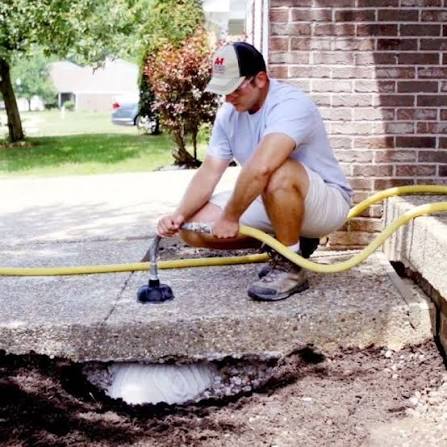
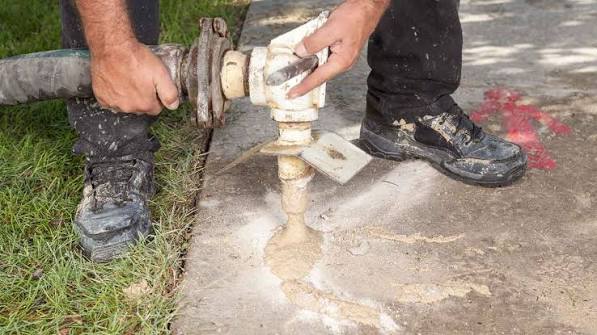
That settled driveway was my first real-world test. The mudjacking quote used a thick slurry pumped through two-inch holes. The polyurethane foam price was higher, but the crew drilled tiny, pencil-sized holes and finished before lunch. The driveway is still level two years later. That kind of side-by-side result makes the cost gap easier to understand, because the method itself influences both the worksite disruption and the lifespan of the repair.
How the material cost difference dictates the final quote
The primary reason polyjacking costs more is the raw material. Polyurethane foam is an engineered polymer made from petrochemicals. It expands on contact with moisture, filling voids and lifting concrete. Mudjacking slurry is a mix of water, soil, sand, and a small amount of cement—ingredients you can often source locally. Because the foam is manufactured for expansion and precision, the material cost is higher, and that difference usually shows up right away in the estimate.
The polyurethane foam price per pound is roughly double that of mudjacking slurry mix in 2026, and foam is used in greater volume per hole.
That material gap also explains why contractor pricing can vary so much from one method to the other. The equipment is more specialized for foam injection, and the technician requires specific training for handling the two-part chemical system. So, when you compare quotes, you’re not just comparing labor rates; you’re also comparing material science, equipment setup, and the precision of the lift itself.
Why the higher polyjacking cost is usually worth it for a small patio
For smaller projects, the higher upfront cost of polyjacking is often easier to justify because the total difference is limited. In many cases, the job is under 400 square feet, such as a backyard patio or front walkway. That keeps the extra spend to a few hundred dollars, while the benefits of polyurethane foam—lighter weight, waterproof properties, and minimal mess—become much more noticeable.
Here’s what the cost breakdown often looks like for a typical 250 sq ft walkway:
| Factor | Mudjacking (Slurry) | Polyjacking (Foam) |
|---|---|---|
| Cost per square foot | $3–$5 | $5–$8 |
| Estimated total cost | $750–$1,250 | $1,250–$2,000 |
| Drill holes | 2-inch diameter, every 2–3 ft | 5/8-inch diameter, every 3–4 ft |
| Project time | 4–6 hours | 1–3 hours |
| Cleanup | Significant (slurry residue) | Minimal (plug holes with caulk) |
The difference in drill hole count and size is crucial. Smaller holes mean less structural damage to the concrete slab itself and a cleaner final appearance. For a patio you look at every day, this matters, especially when the repair sits near a front entry or other highly visible space. In that sense, the higher polyjacking cost often buys a better-looking finish in addition to a faster repair.
Is the higher polyjacking cost worth it for a small patio?
Yes, for most small patio projects in 2026, the extra $200–$400 for polyjacking is a smart investment. The reason is simple: you get a cleaner lift with less disruption, and the project usually finishes faster than mudjacking. That means less time waiting around, less cleanup, and less chance of disturbing lawn edges or nearby landscaping.
That precision matters because a patio is usually a high-visibility area. The concrete leveling statistics show that foam repairs have a lower callback rate for sinking in the first five years. For a high-traffic space like a patio, that durability has real value beyond the initial quote, and it often makes the premium easier to accept. Over time, that can also reduce the chance of paying for another repair sooner than expected.
What contractors leave out of the mudjacking price per foot
The advertised mudjacking price per foot often excludes potential extras that can increase your final bill. Always clarify if the quote includes patching the larger two-inch holes, which is necessary for a clean look. Some companies charge extra for this, so the low initial number may not reflect the final price. That is why a quote that looks cheaper at first can end up closer to the foam option once everything is included.
Another hidden factor is slab thickness. Mudjacking slurry works well on standard 4-inch residential slabs but can be less effective on thinner or heavily cracked concrete. The heavier slurry can cause cracks to widen under pressure. Foam is lighter and often a safer choice for compromised slabs, especially when the concrete already shows signs of stress. As you weigh the two methods, this structural difference should sit alongside the price comparison, not behind it.
How to get an accurate leveling quote step by step
Once you understand the hidden costs in each method, the next step is to collect bids that are truly comparable. A good comparison requires side-by-side estimates, so don’t rely on phone estimates alone. Follow this process to ensure you’re comparing polyjacking cost vs mudjacking cost fairly.
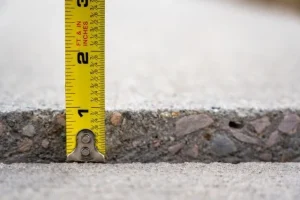
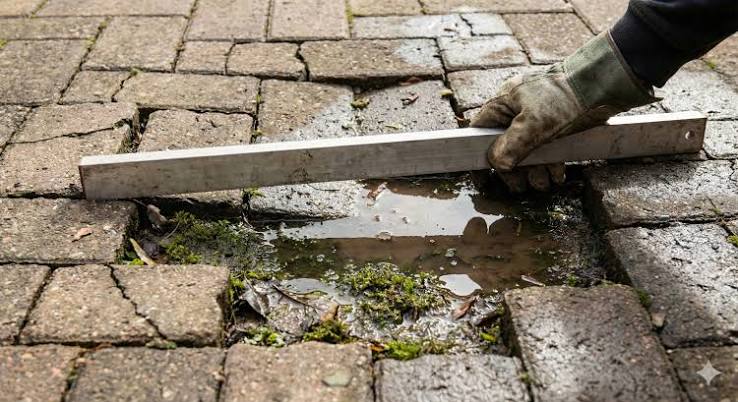
- Identify the specific problem areas. Walk your property with a can of chalk and mark the low spots, cracks, and tripping hazards. A good contractor will measure the exact square footage of the area needing lift.
- Contact at least three companies. Request two foam specialists and one mudjacking specialist. Ensure they all measure the same area.
- Ask for a detailed, written estimate. The quote must list cost per square foot, total project cost, number of holes to be drilled, hole diameter, and cleanup/patching.
- Inquire about material specifics. Ask what brand of polyurethane foam they use (e.g., NCFI, Lift-Tech) or the slurry mixture composition. This shows you understand the material cost difference.
- Review the warranty side-by-side. What does it cover? For how long? Are there maintenance requirements?
- Decide based on total value. The cheapest mudjacking quote isn’t the best value if it requires repeat work. Factor in longevity, mess, and property disruption.
The detail everyone gets wrong: curing time vs. load time
The time it takes for the material to cure and support weight is a key practical difference between the two methods. Polyurethane foam cures in about 15–30 minutes. You can typically walk on the concrete almost immediately and resume normal use the same day. Mudjacking slurry requires 24–48 hours to cure sufficiently for foot traffic and 7+ days before it can support vehicle weight.
Polyurethane foam typically reaches 90% of its load-bearing strength within 30 minutes, while mudjacking slurry needs 24 hours to reach the same threshold.
This downtime is a hidden cost for busy households. The faster return to use is one reason foam often wins on value even when the initial polyjacking cost is higher. Research into concrete leveling method statistics confirms this is a major point of customer satisfaction. A two-hour project that lets you resume your day is worth a premium to many homeowners, especially when access to a driveway or front entry matters.
Did the mudjacking quote come in higher than expected? Here’s what to check.
A quote that’s 30% or more higher than anticipated usually stems from extensive prep work, complex access, or upsells. Ask the contractor to itemize these costs. Sometimes, a large lift (over 2 inches) requires more holes and passes, increasing labor and material use. In those cases, the gap between mudjacking and foam may narrow more than you expect.
Another reason for a high mudjacking price is if the soil beneath the slab is severely compromised. The crew may need to drill more holes to ensure the slurry spreads evenly and provides adequate support. In such cases, polyjacking foam, which expands to fill voids of any shape, might actually be more cost-effective as it requires fewer injection points and less cleanup. That is why it helps to compare the repair method, not just the base price per square foot.
The bottom line on choosing based on price and performance
At this point, the tradeoff should be clear: polyjacking usually costs more, but it also delivers a cleaner, faster, and often longer-lasting repair. For a typical residential project in 2026, choose polyjacking if your priority is speed, minimal disruption, and long-term stability on a slab under 400 sq ft. The polyjacking cost vs mudjacking cost premium is justified by these factors. Opt for mudjacking if you have a large, thick, and stable slab (like a city sidewalk) where the budget is the primary constraint and a few days of downtime don’t matter.
Your immediate next step is to measure the square footage of your settled concrete. Then, use our concrete leveling method statistics to find average costs in your region. Finally, get three quotes using the step-by-step process above. Don’t just ask for a price—ask for a detailed proposal that lets you compare the true polyjacking cost vs mudjacking cost.
For a deeper look at the decision framework, see our pillar page: Mudjacking vs Polyjacking vs Replacement: Choosing the Right Method.
- Polyjacking costs 25-50% more than mudjacking due to higher material cost, not just labor.
- For small areas (under 400 sq ft), the total dollar difference is often just a few hundred dollars.
- The higher upfront cost of foam pays off in speed, cleaner work, and faster return to use.
- Always get a detailed, written quote that specifies hole count, size, and warranty terms.
Common Questions About polyjacking cost vs mudjacking cost
What makes polyjacking cost more than mudjacking?
The primary driver is the material cost difference. Polyurethane foam, a petrochemical polymer, is 60-100% more expensive per pound than the soil-cement slurry used in mudjacking. Specialized equipment and training also contribute to the higher price.
Is the higher polyjacking cost worth it for a small patio?
For most 250 sq ft patios, yes. The total extra cost is often $200–$400, which buys you a 1–3 hour job with minimal mess and immediate use, versus a full day of disruption. The long-term durability usually makes it the better value.
How much do both methods cost per square foot in 2026?
In 2026, typical polyjacking (foam) costs $5–$8 per square foot. Mudjacking (slurry) typically costs $3–$5 per square foot. These are national averages; your local market and project complexity will affect the final price.
Why did my leveling quote come in higher than expected?
Common reasons include: a larger slab area than estimated, extensive cracking requiring more injection points, soil instability needing extra material, or the inclusion of hole patching and cleanup. Always ask for an itemized breakdown.
How to get an accurate leveling quote step by step?
Measure your slab’s square footage precisely. Get written bids from at least three contractors (mix of foam and mudjacking). Each quote should detail cost per sq ft, total cost, hole count, hole size, curing time, and warranty terms for a fair comparison.
See also: concrete leveling method statistics
See also: concrete leveling statistics
Related: polyurethane foam injection pros and cons
Related: mudjacking pros and cons
See also: mudjacking vs polyjacking
See also: polyjacking vs mudjacking for freeze-thaw climates
See also: polyjacking vs mudjacking for clay soil