Polyjacking vs mudjacking for freeze-thaw climates: 2026 guide
⏱️ 7 min read · Last updated: 2026
Polyjacking is usually the best concrete leveling choice for freeze-thaw climates because it is lightweight, water-resistant, and better able to handle repeated winter movement. If your driveway, walkway, patio, or pool deck keeps settling each spring, the material under the slab matters as much as the lift itself. This guide explains when polyjacking wins, when mudjacking still makes sense, and how to choose the right repair for cold-weather conditions.
Source: regionalwaterproofing.com
- Mudjacking costs $3–$6 per square foot, while polyjacking averages $5–$10 per square foot as of 2026.
- Mudjacking slurry weighs about 100 lbs per cubic foot, while polyurethane foam weighs about 2–5 lbs per cubic foot.
- Properly installed polyjacking can last 20+ years, while mudjacking repair often needs re-evaluation every 5–10 years in severe climates.
- A polyjacking crew can level a standard 150 sq ft driveway in 2–4 hours with immediate use, while mudjacking often needs a 24–48 hour cure time.
- Polyjacking uses 5/8-inch holes, while mudjacking uses 1–2 inch holes.
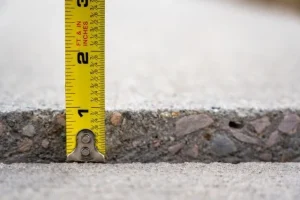
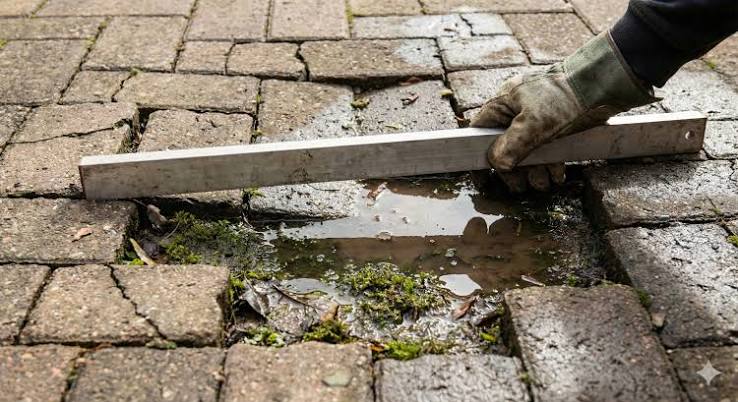
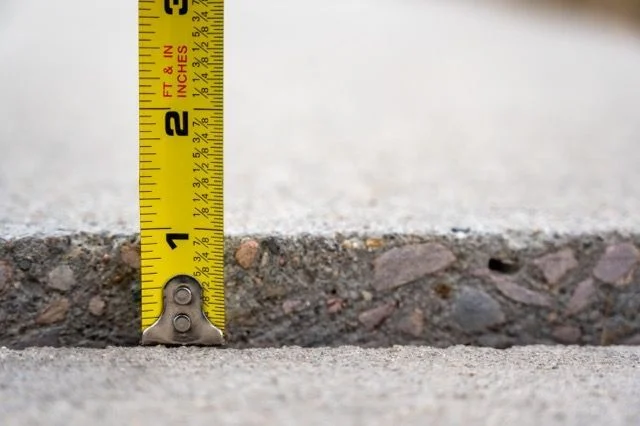
The crack ran from the garage door to the mailbox — half an inch wide by spring. It started as a minor dip, but winter rain and ice made it worse and turned it into a tripping hazard. Your neighbor got quotes for full replacement, but you heard about “lifting it back up.” Now you are choosing between a mud-based slurry and expanding foam in a climate where winter damages concrete year after year.
The choice between polyjacking vs mudjacking for freeze-thaw climates is not only about price. It is about what happens under the slab when the ground heaves, water enters the repair, and temperatures swing above and below freezing. That is where the long-term difference becomes clear.
What is the real difference between polyjacking and mudjacking?
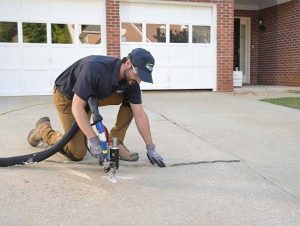
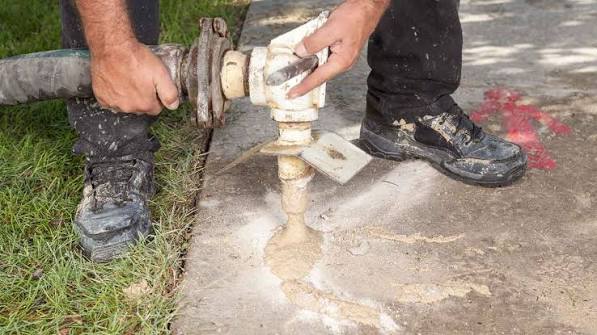
The core difference is the material under the concrete. Mudjacking pumps a slurry of water, soil, sand, and Portland cement into drilled holes. Polyjacking injects a two-part polyurethane foam that expands and hardens into a lightweight, closed-cell material.
That difference matters even more in freeze-thaw climates. Mudjacking adds weight and can hold moisture. Polyjacking stays light, resists water, and is better suited to soil that expands and contracts with winter weather.
The technical edge is simple: polyurethane foam has an absorption rate of less than 2%, while mudjacking slurry can absorb moisture if the mix is not perfect. In a freeze-thaw zone, absorbed water expands by about 9% when it freezes.
Think of mudjacking as adding mass. Think of polyjacking as creating a waterproof support layer. In a climate where ice lens formation and frost heave move the ground, the lighter and drier material usually performs better.
When should you actually use mudjacking?
Mudjacking still has a place, but only in limited situations. It fits best when you have thick, reinforced concrete slabs that settled evenly and only need a shallow lift of less than 1 inch. It also makes sense in mild climates where deep frost lines are not a concern and upfront cost matters most.
The main advantage is price. The materials are cheaper and easier to find, so the initial bid is usually lower. For a simple garage floor repair with no drainage problems, mudjacking can still deliver a functional result.
Mudjacking weaknesses in freeze-thaw zones
- Water absorption: The slurry can absorb water over time. When that water freezes, it expands and can crack the repaired slab.
- Weight: At about 100 lbs per cubic foot, it adds substantial load to the subgrade. That can worsen settling in expansive clay soil.
- Large holes: The 1–2 inch injection holes are more visible and can become future leak points.
- Cure time: The 24–48 hour wait before driving on it is a major inconvenience.
Why does polyjacking win in most freeze-thaw climates?
Polyjacking wins for most residential projects in freeze-thaw climates because the foam is lightweight, water-resistant, and precise. It works well on driveways, walkways, patios, and pool decks that face repeated temperature swings and precipitation. In practice, that combination makes it more reliable for long-term concrete leveling in cold regions.
The practical benefits are strong. A skilled installer can control the lift closely, often within a fraction of an inch. The foam weighs only 2–5 lbs per cubic foot, so it does not overload weak soil. It also uses 5/8-inch holes, which are easier to patch and less likely to let water in.
How long does polyjacking actually take?
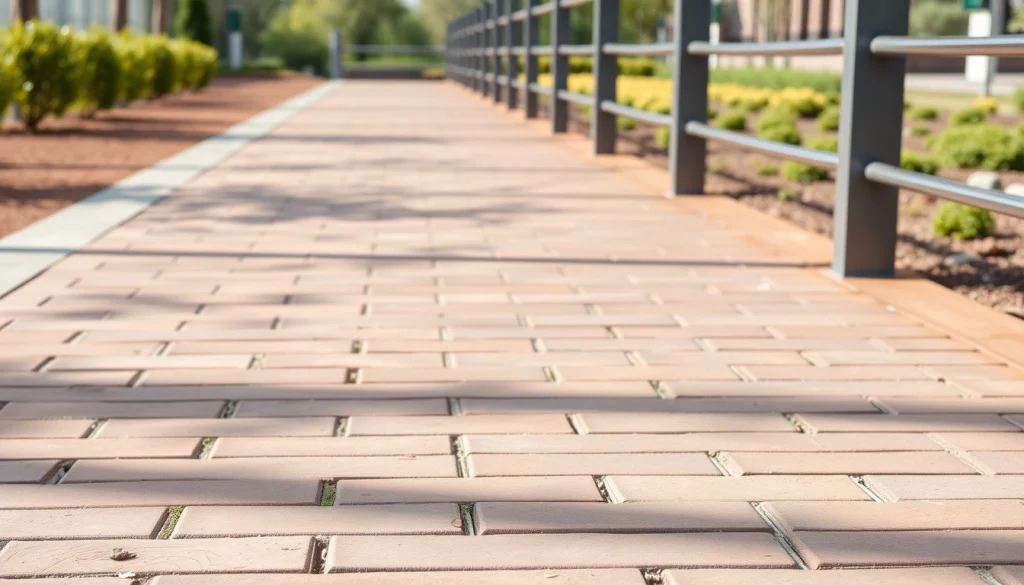
A standard 400-square-foot driveway usually takes a two-person crew 3–5 hours from start to finish. You can walk on it immediately and drive on it within an hour. That speed matters when you need the driveway back fast. For the full lifecycle, see our guide on how long does concrete leveling last.
Polyjacking also performs well where thin slabs are involved. Because the foam expands with controlled pressure, it can lift concrete that mudjacking might damage. That makes it a strong option for many residential repairs in cold regions.
How do polyjacking and mudjacking compare side by side?
Here is the direct comparison for polyjacking vs mudjacking for freeze-thaw climates. The winner column reflects performance in areas with significant winter weather.
| Criteria | Mudjacking | Polyjacking | Winner for Freeze-Thaw |
|---|---|---|---|
| Material Cost | Lower ($3–$6/sq ft) | Higher ($5–$10/sq ft) | Mudjacking |
| Water Resistance | Poor to moderate; can absorb water | Excellent; closed-cell, impermeable | Polyjacking |
| Added Weight to Subgrade | High (~100 lbs/cu ft) | Very low (2–5 lbs/cu ft) | Polyjacking |
| Typical Lifespan in Cold Climate | 5–10 years | 20+ years | Polyjacking |
| Installation Speed | Moderate; 24–48 hr cure time | Fast; usable in 1 hour | Polyjacking |
| Hole Size | 1–2 inches diameter | 5/8 inch diameter | Polyjacking |
| Effectiveness on Thin Slabs (<2″) | Not recommended; risk of blowout | Excellent; can lift any thickness | Polyjacking |
The cost difference is the main reason people hesitate. Still, long-term value matters more than the first invoice. If mudjacking needs to be redone in 7 years and polyjacking lasts 20, the foam method often costs less over time.
Is polyjacking vs mudjacking for freeze-thaw climates worth it in 2026?
Yes, polyjacking is usually worth the higher upfront cost in 2026 if you live in a freeze-thaw climate and expect to stay in your home for more than 5 years. The main value is longevity and the reduced chance of repeat repairs. A 2026 analysis by the Concrete Preservation Institute noted that premature failure of mudjacking in cold regions is often linked to moisture infiltration at the injection points.
The value goes beyond the slab itself. A settled slab can channel water toward your foundation and create bigger repair problems. A properly leveled slab with impermeable foam underlayment helps protect the whole structure. This is especially important for polyjacking vs mudjacking for clay soil, where water control is critical.
That temperature range helps explain why the material performs so well in winter-prone regions. It stays stable when conditions swing hard from cold to warm and back again. For homeowners, that stability usually means fewer headaches later.
When should you reconsider both options?
Some situations call for something other than either method. In those cases, mudjacking may still not be enough, and full replacement may be the better answer. You should reconsider the choice if any of these apply.
- The slab is severely cracked or crumbled. Lifting broken concrete does not restore structural integrity. If the slab is in pieces, replacement is the real solution.
- The settlement is caused by a failing subgrade. Leveling the slab only hides the problem. You need geotechnical work to fix the root cause first.
- You have extremely thick, high-strength concrete (6″+) with minimal settling. In this niche case, mudjacking slurry may be enough, and the cost savings can be meaningful.
- It is a temporary, non-structural decorative element. For a garden path you plan to remove in 3 years, the cheapest option can make sense.
For most homeowners, these exceptions do not apply. The common case is a standard residential slab, 4–6 inches thick, settling because of soil compaction or erosion. That is where polyjacking usually offers the better long-term result.
Which method should you choose?
Choose polyjacking if you live in a freeze-thaw climate, need more than a cosmetic lift, and want a durable repair with low maintenance. Choose mudjacking only if the slab is very thick, structurally sound, and needs a shallow lift under 1 inch in a mild climate where budget is the main concern. Neither method is right for severely damaged or broken concrete.
Measure the largest crack or the worst spot where two slabs meet. Take clear photos from several angles. That information makes contractor quotes more accurate and helps you compare repairs fairly. For more on the broader process, see our article on walkway leveling.
The industry has shifted. Ten years ago, mudjacking was the default. Today, better foam technology and clearer long-term performance data point toward polyjacking for most cold-climate applications. Get three quotes, ask about materials, and choose the method built to last through the next winter, not just the next season. If you are weighing polyjacking vs mudjacking for freeze-thaw climates, the answer usually comes down to durability, not just cost.
- Polyjacking uses closed-cell foam that is impermeable, which makes it stronger against freeze-thaw cycles.
- Mudjacking adds significant weight at about 100 lbs/cu ft and often needs repair again in 5–10 years in cold climates.
- The upfront cost of polyjacking is higher, but its 20+ year lifespan often makes it the better long-term value.
- Measure the damage carefully and get detailed quotes that specify the material being used.
Common questions about polyjacking vs mudjacking for freeze-thaw climates
How much does it cost to fix a sunken walkway with polyjacking in a cold state?
For a typical 50-square-foot concrete walkway, polyjacking costs about $250 to $500 as of 2026. The final price depends on the amount of settling, access for equipment, and local labor rates. It is generally 30–50% more expensive than mudjacking for the same project.
Can polyjacking fix a driveway that settled near the garage floor?
Yes, polyjacking is highly effective for lifting driveways that settled and created a trip hazard or a gap at the garage threshold. The foam can lift the slab to match the garage floor height. Make sure the installer has experience with this common repair.
Does polyjacking work if my concrete is only 2 inches thick?
Yes. This is one of polyjacking’s main advantages. Because the foam expands with controlled pressure, it can lift thin decorative slabs without cracking them. Mudjacking is often not recommended for slabs under 3 inches thick because of the slurry weight and pressure.
How soon can I park my car on the driveway after polyjacking?
You can drive on a polyjacked driveway within 1 hour after the crew finishes. The foam cures almost instantly after injection. That is a major advantage over mudjacking, which usually needs a 24–48 hour cure time before vehicle traffic.
Will the foam under my driveway attract insects or rodents?
No. The polyurethane foam used for polyjacking is a closed-cell plastic that is inert and not a food source for pests. It does not create nesting voids once it expands and cures. It is the same material used in building insulation where pest resistance matters.
See also: mudjacking vs polyjacking
See also: polyjacking vs mudjacking for clay soil
See also: how long does concrete leveling last
Related: mudjacking pros and cons
See also: mudjacking vs polyjacking
See also: polyjacking cost vs mudjacking cost
See also: polyjacking vs mudjacking for clay soil