How to choose a concrete leveling method for your specific slab
⏱️ 8 min read · Last updated: 2026
Choosing a concrete leveling method starts with the slab, not the sales pitch. First, measure how far the concrete has settled, then inspect cracks, drainage, and the soil beneath the slab. From there, you can decide between mudjacking, polyurethane foam, or full replacement based on cost, speed, and long-term stability.
- Mudjacking typically costs $5–$8 per square foot, while polyurethane foam costs $10–$25 per square foot.
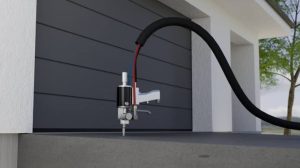
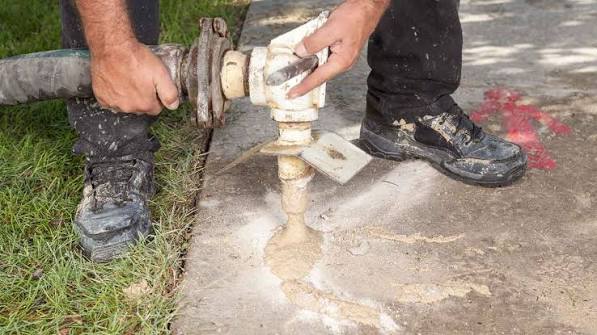
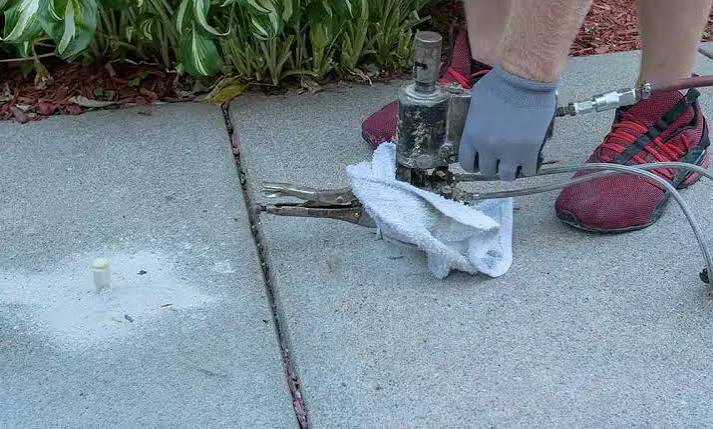
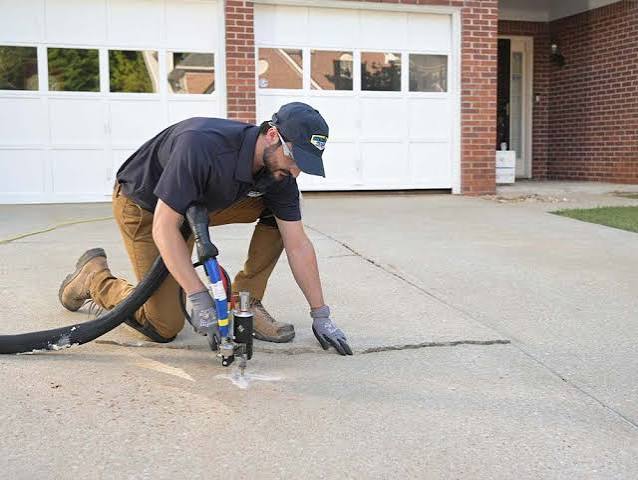
- Standard mudjacking uses a 5/8" hole; polyurethane foam injection uses a 5/16" hole.
- Mudjacking cures in 24–48 hours; polyurethane foam is walkable in 15–30 minutes and fully cured in 24 hours.
- A standard concrete walkway slab weighs approximately 750–1,000 pounds, and both methods can lift it.
- Full slab replacement typically costs 3–5 times more than leveling and requires 3–7 days of curing time.
That is why the right concrete leveling method depends on the slab, the base material, and the cause of the settlement. In many cases, the difference between a lasting fix and a repeat repair comes down to what is happening under the concrete. In this guide, you will learn how to choose a concrete leveling method that fits your specific slab, your timeline, and your budget.
What actually determines the right concrete leveling method?
The right concrete leveling method comes down to three factors: the size of the settlement gap, the condition of the slab, and the soil beneath it. If a contractor gives you a price before checking those three things, you do not have a reliable recommendation yet.
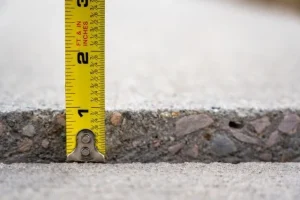
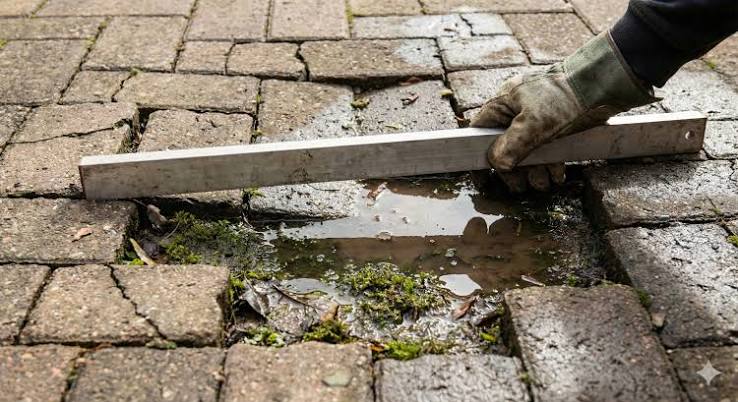
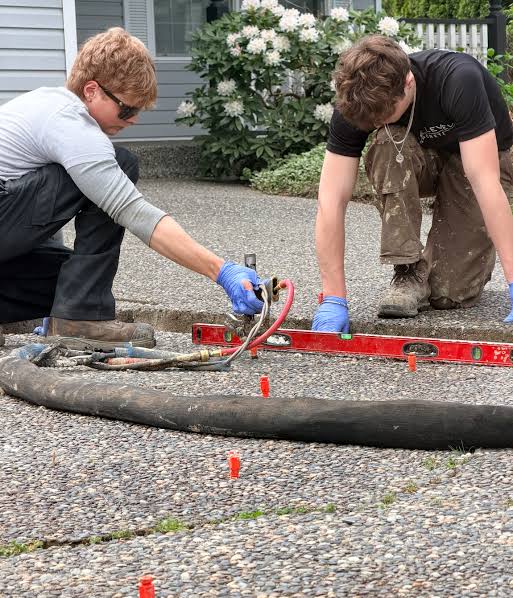
Start by measuring the maximum drop. Use a long level or a straight board with a smaller level on it, place it across the gap, and measure the space underneath with a ruler. That one number matters more than any sales pitch. Then inspect the slab itself. Multiple intersecting cracks, crumbling edges, and broken sections often point toward replacement instead of leveling. Finally, ask what the contractor found in the test hole. Solid compacted soil is a good sign. Loose sandy fill is different. Sticky expanding clay is the hardest to stabilize long-term.
A settlement gap over 2 inches typically signals a major void that mudjacking slurry may not permanently fill. In that case, the material can shrink and settle again within 1–3 years.
Soil conditions also affect the choice of concrete leveling method. A slab over compacted base material usually responds better to either mudjacking or foam. A slab over unstable fill or active erosion needs drainage correction first, or the repair will only repeat.
The 2026 concrete leveling decision tree: which concrete leveling method fits you?
This decision tree matches your settlement measurement and slab condition to the concrete leveling method most likely to work. Use it to narrow the choice before you call a contractor. It will help you decide whether leveling is enough or whether full replacement makes more sense.
| Situation | Best Path | Why Other Options Fail |
|---|---|---|
| Slab sunk < 1 inch, slab is solid (no major cracks). | Mudjacking (pressure grouting). | Polyfoam is overkill and costs 2–3x more for a small lift. |
| Slab sunk 1–3 inches, slab is solid or has minor cracks. | Polyurethane foam injection. | Mudjacking may require too much slurry, increasing risk of future settling. Replacement is too costly. |
| Slab sunk > 3 inches, or major structural cracks. | Polyurethane foam (if slab is salvageable) OR full replacement. | Mudjacking cannot reliably lift a severe drop without risking slab breakage. |
| Slab is crumbling, fractured into pieces. | Full replacement. | Leveling a disintegrating slab will only break it further. It has no structural integrity left. |
| Area needs to be usable in < 1 hour (e.g., commercial walkway). | Polyurethane foam injection. | Mudjacking requires a 24-hour cure. Concrete replacement needs days. |
If your slab is solid and the drop is minor, under an inch, mudjacking is usually the most economical concrete leveling method. For a drop between 1 and 3 inches, foam gives you a more permanent result with a smaller footprint. If the slab is broken or the drop is extreme, get bids for both foam and replacement. For a deeper comparison, see our concrete leveling method comparison chart.
Here is the short version: mudjacking fits small, stable lifts; foam fits faster and larger lifts; replacement fits slabs that can no longer hold together. That framework is the fastest way to choose the right concrete leveling method without wasting money.
How long does concrete leveling actually take?
Mudjacking typically takes 2–4 hours for an average driveway, and it usually needs 24–48 hours of cure time before vehicle traffic. Polyurethane foam injection is much faster, often completed in 1–2 hours for the same area, with the surface walkable in 15–30 minutes. Full replacement takes the longest, because demolition, pouring, and curing usually require 3–7 days minimum.
The difference is not just contractor speed. It comes from material science. Mudjacking slurry is a mix of water, soil, and cement, so it must evaporate and harden. Polyurethane foam expands and hardens through a chemical reaction with moisture, which happens almost instantly. I once had a foam crew level a path for a backyard wedding. The work finished at 8 AM, and the catering staff rolled carts over it by 10 AM.
That would not have worked with mud or new concrete. Speed matters when the slab blocks an entry, a storefront, or a high-traffic walkway. In those cases, the concrete leveling method you choose often comes down to how soon the surface must carry weight again. Foam usually wins when downtime is the limiting factor.
When is standard advice on leveling often wrong?
Standard advice fails when the problem is bigger than simple settlement. Many concrete leveling conversations assume every sunken slab sits over a single void, but that is not always true. If the cause is active erosion, load-bearing movement, or frost heave, the fix has to address that cause first.
1. When soil erosion is active, not static. If a broken gutter dumps water beside your walkway during every storm, filling the void is only temporary. The water will wash it away again. Fix the drainage first, then level the slab. 2. When the slab is part of a load-bearing structure. A sunken stoop or porch slab attached to the house foundation is not just a cosmetic issue. It needs a structural engineer’s assessment before any lifting attempt, because improper lifting can damage the house frame. 3. When frost heave is the primary cause. In cold climates, soil moisture freezes, expands, and pushes slabs up. Then it thaws and drops unevenly. Leveling without fixing drainage can create a repeated cycle. Our concrete leveling method statistics show projects in frost zones have higher re-work rates when drainage is ignored.
These situations do not rule out leveling. They change the sequence. Fix the cause first, then choose the concrete leveling method that fits the slab and the site conditions.
The mistakes that turn a simple fix into a nightmare
The biggest mistake is choosing the lowest bid without verifying how the contractor checks the sub-base. A cheap quote often means thin, low-quality mud that settles again in a year. The second mistake is leveling in winter. Frozen ground makes accurate lifting difficult, and the spring thaw can undo the work.
A third critical mistake is ignoring the reason the slab settled. I watched a homeowner pay to level a walkway three times in five years. A chronic plumbing leak under the slab slowly washed away the soil. He spent $4,000 on repeat leveling before an $800 pipe repair solved the root problem. Always investigate and fix water issues before spending on concrete repair. If you want a longer-lasting result, review proven walkway leveling approaches.
Do not let a contractor skip the test hole. A professional should drill a small hole to confirm the void size and soil condition before they start. If they do not insist on that step, keep looking.
Edge cases: 4 scenarios that change everything
Some slabs need special handling, and the usual rules change fast. These edge cases do not eliminate the concrete leveling method you want, but they do change the order of operations and the level of caution required.
Scenario 1: The slab is connected to plumbing. If a sewer or water line runs directly under the sunken slab, any lifting method risks damaging that pipe. Have a plumber locate and possibly reinforce the pipe first, or consider a sectional replacement that allows access.
Scenario 2: You have a thick, decorative stamped concrete slab. The extra weight and the risk of surface damage mean you need a contractor experienced with decorative concrete. Polyfoam’s precise lift is often safer for these expensive surfaces than the brute force of mudjacking pressure.
Scenario 3: The sunken area is right at the foundation wall. Lifting here can create a gap between the slab and the house, which can allow water intrusion. This requires specialized, careful lifting and immediate sealing of the perimeter joint.
Scenario 4: You plan to build over the area soon. If a new structure like a pergola or shed will be built on or adjacent to the slab, you need the highest long-term stability. That often pushes the choice toward foam leveling for its superior interlock with the soil or full replacement with proper base preparation.
These scenarios all affect the same decision: whether to level, how to level, and whether replacement is smarter. The best concrete leveling method is the one that fits the slab and the site, not the one that sounds easiest to sell.
How to choose a concrete leveling method in 2026 comes down to this: diagnose the cause, measure the problem accurately, and match the method’s strengths to your priorities, whether that is cost, speed, or permanence. Do not just fix the symptom. Understand the system.
- Measure your settlement gap first; the size, under 1", 1–3", or over 3", is the primary factor in choosing a method.
- Mudjacking is best for small lifts (<2") on solid slabs on a budget; foam is superior for larger lifts, speed, and longevity.
- Always identify and fix the water or drainage problem that caused the settlement before paying for leveling.
- If the slab is crumbling or fractured into pieces, full replacement is the right call.
Frequently asked questions about choosing a concrete leveling method
How long after concrete leveling can I walk on the surface?
With polyurethane foam, you can typically walk on the surface in 15–30 minutes. For mudjacking, wait 24–48 hours for the slurry to cure enough to support foot traffic without indenting the patch.
Is concrete leveling a permanent fix or will it sink again?
It can be permanent if the underlying cause of settlement is addressed. Polyurethane foam is generally more resistant to re-settling than mudjacking slurry, but both methods can fail if water continues to erode the sub-base.
Can I do concrete leveling myself as a beginner?
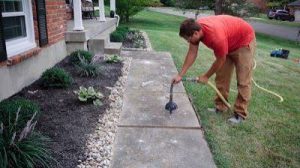
DIY mudjacking kits exist, but they are hard to use correctly without experience and often lead to uneven lifts or over-lifting. For significant projects, professional installation is strongly recommended.
How do I know if my concrete needs leveling versus full replacement?
If the slab is structurally sound but tilted or sunken, leveling is usually the right choice. If it has extensive cracking, crumbling edges, or multiple broken pieces, replacement is the only viable long-term solution.
What is the average cost to level a concrete walkway in 2026?
Costs vary by method and region. A typical walkway, 100–200 sq ft, might cost $500–$1,200 for mudjacking or $1,000–$2,500 for polyurethane foam. Full replacement could range from $2,000 to $5,000 or more.
Does homeowner’s insurance cover concrete leveling?
Most standard homeowner’s insurance policies exclude settling or cracking of concrete driveways and walkways. They usually cover sudden, accidental structural damage, not gradual soil settlement or wear.
The bottom line
Stop asking which concrete leveling method is best in a vacuum. Ask which method fits your specific slab, soil, and budget. For most residential walkways with a 1–3 inch drop, polyurethane foam offers the best balance of durability and low disruption in 2026. If your drop is tiny and the slab is solid, mudjacking can save you hundreds. The most important step this week is measuring the settlement gap, because that number drives every decision that follows.
For a deeper comparison of the primary methods, review our concrete leveling method comparison chart. Your choice also supports the bigger picture explored in the pillar guide: Mudjacking vs Polyjacking vs Replacement: Choosing the Right Method.
See also: concrete leveling method statistics
See also: concrete leveling method comparison chart
See also: walkway leveling
See also: concrete leveling method statistics
See also: concrete leveling method comparison chart
See also: walkway leveling