Self-leveling underlayment for walkways: Why it fails in 2026 (and what works)
⏱️ 7 min read · Last updated: 2026
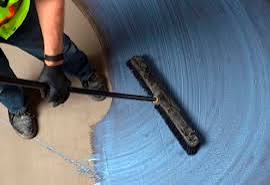
Self-leveling underlayment for walkways is a tempting DIY fix for a sunken outdoor slab, but it almost always fails. The product is designed for indoor floors with stable, dry substrates. On an outdoor walkway, it cannot repair the settled soil or void beneath the concrete. In 2026, mudjacking and polyjacking remain the proven alternatives because they lift the slab, fill underground voids, and restore structural support from below.
- Self-leveling underlayment costs $2–$5 per sq. ft.
- Mudjacking averages $3–$6 per sq. ft.
- A typical walkway mudjacking job takes 2–4 hours.
- Walkway leveling cost per square foot for professional lifting ranges from $3 to $8.
- Mudjacking can lift sunken slabs by 1–2 inches in most cases.
Why self-leveling underlayment fails on outdoor walkways
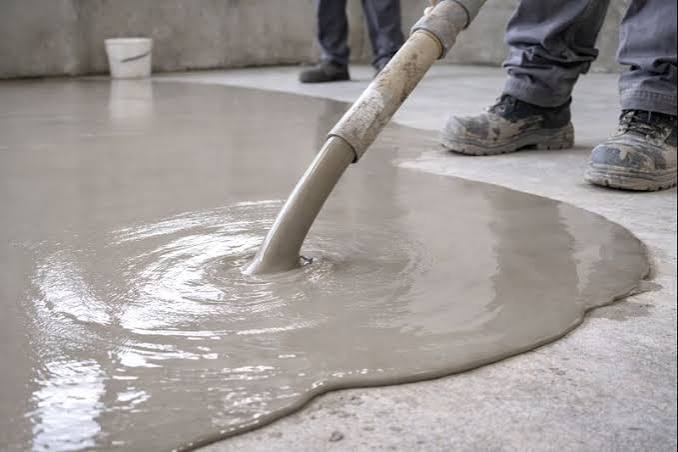
To understand why self-leveling underlayment for walkways fails, start with its intended use: interior floors with stable, dry substrates. On an outdoor walkway, it cannot repair the void or soil movement that caused the slab to sink.
A sunken walkway typically sits over compromised soil or gravel. The underlayment follows the existing low spot instead of restoring the original height. The result is a cosmetic patch that cracks as temperatures shift and soil continues to move. Water collects at the edges and accelerates failure. The causes walkway sink are almost always underground, not on the surface.
How mudjacking actually works and why it’s the right choice here
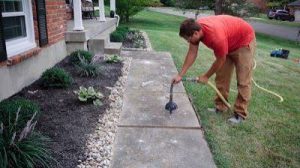
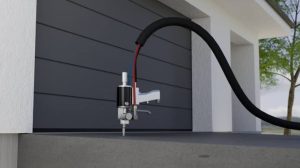
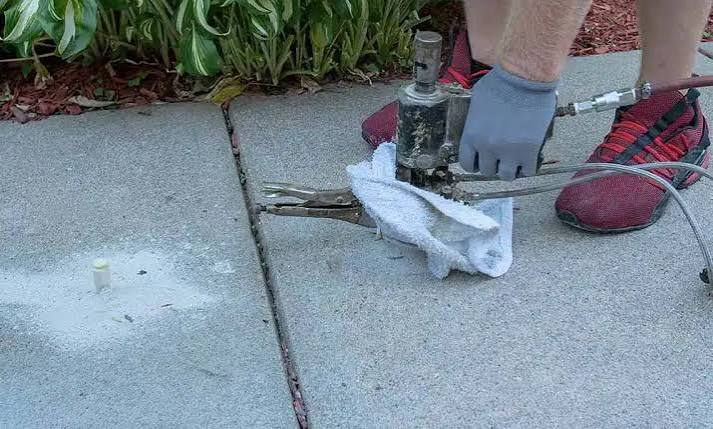
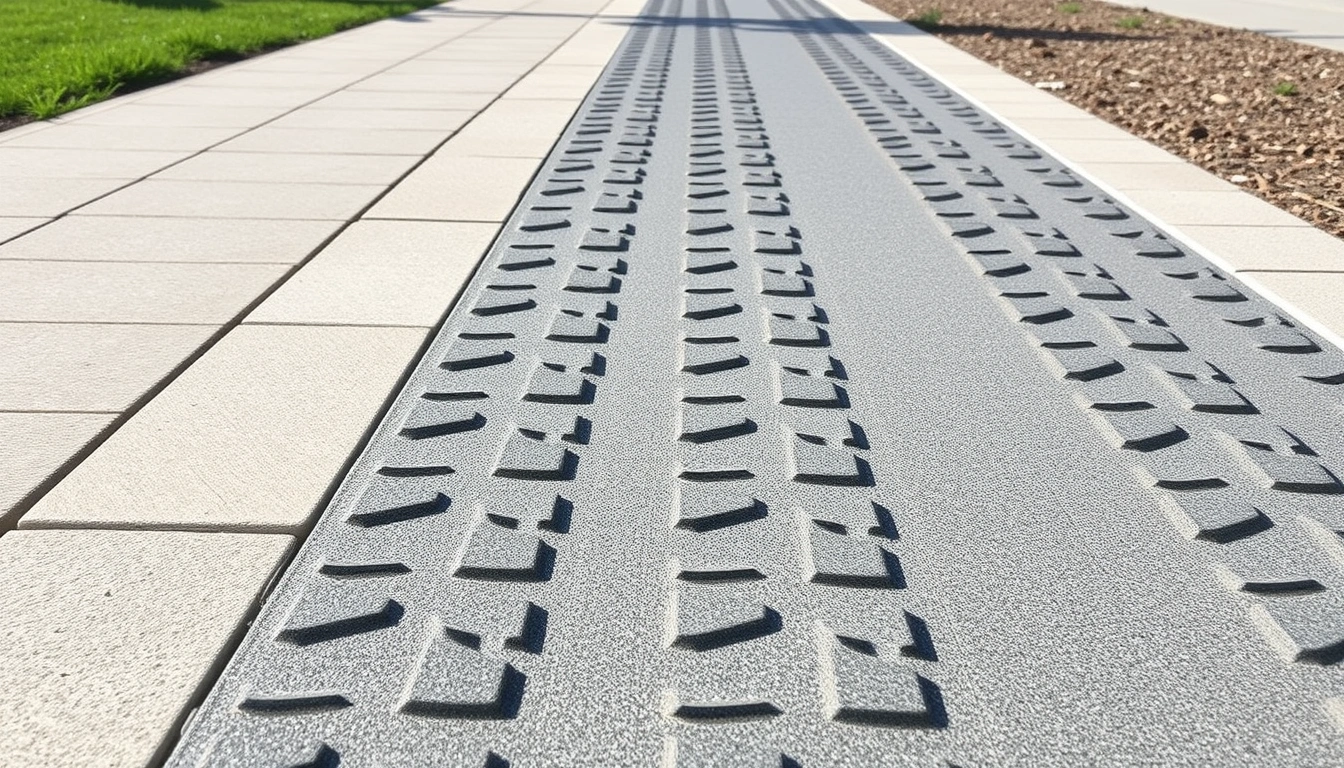
Slab lifting addresses the root cause. Mudjacking pumps a slurry of water, soil, and cement through 5/8-inch drilled holes to fill voids and raise the slab. Polyjacking uses expanding polyurethane foam for the same purpose. For walkways, walkway leveling with these methods gives you a structural fix instead of a surface cover-up.
Mudjacking and polyjacking are designed to lift and stabilize, not just cover. The right choice depends on soil type, slab thickness, and budget.
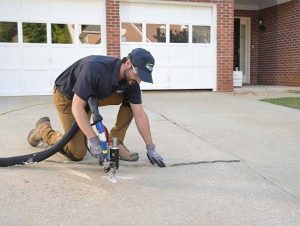
A technician drills holes in a planned grid and controls pressure carefully during the lift to keep the slab even and reduce cracking risk. The goal is to restore support, not hide the problem.
The correct way to level a walkway with mudjacking
A proper mudjacking repair follows a specific process. Each step matters because walkway settlement starts below the slab, not on top of it.
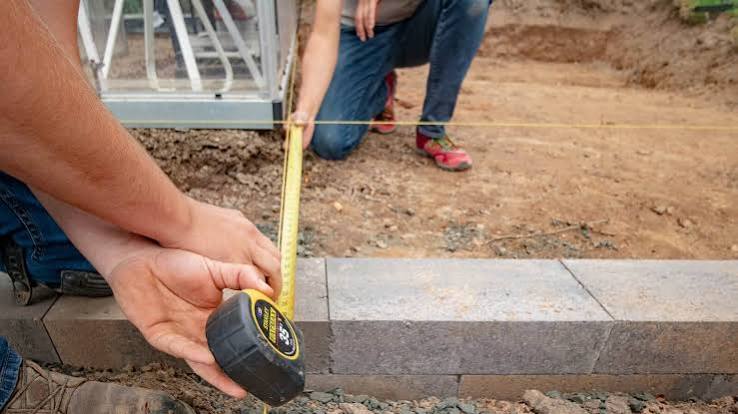
- Assessment and layout: Identify low spots and cracks. Mark injection holes 3–4 feet apart in a grid. Avoid cracks and edges within 12 inches.
- Drilling: Drill 5/8-inch holes to the base material, typically 4–8 inches deep.
- Slurry preparation: Mix mudjacking slurry to a pourable but thick consistency. Adjust the water ratio until the slurry holds its shape on a shovel.
- Pumping and lifting: Pump slowly and lift in 1/4-inch increments to prevent stress cracking.
- Monitoring: Check the slab against adjacent slabs and original grade throughout the lift.
- Finishing: Patch holes with color-matched compound once level. Do not leave holes open.
- Curing: Patch cures in 24 hours. Foot traffic is immediate; avoid heavy loads for 48 hours.
Polyjacking vs. mudjacking for walkways: which is better?
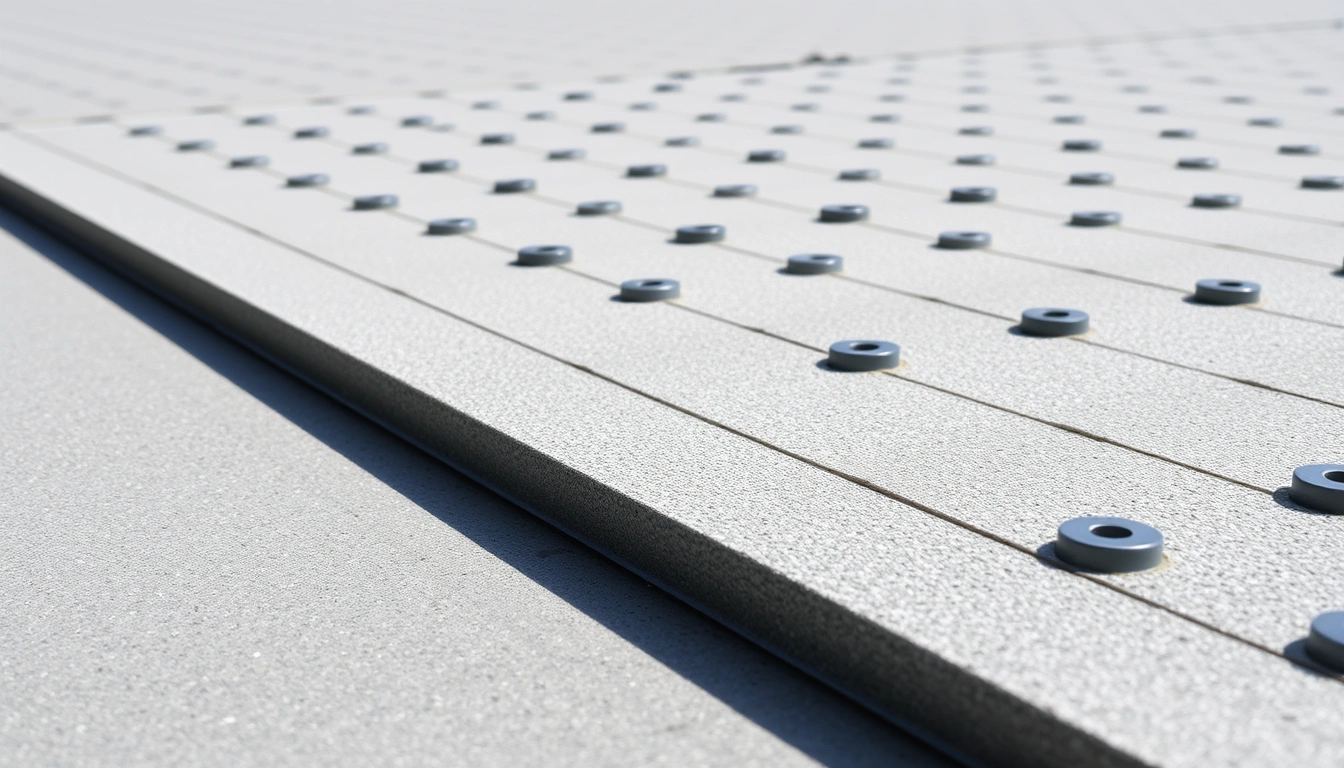
Both methods lift concrete, but they use different materials and suit different conditions. The comparison below shows where each option excels for self-leveling underlayment alternatives on outdoor walkways.
| Factor | Mudjacking | Polyjacking |
|---|---|---|
| Primary Material | Soil, cement, water slurry | Expanding polyurethane foam |
| Typical Lift Height | Up to 2–3 inches | Up to 4+ inches |
| Best For | General soil settlement, moderate budget | Severe settlement, sensitive areas near pools, water-prone soils |
| Weight of Material | Heavier, adds load to soil | Extremely lightweight |
| Water Resistance | Can erode if base is constantly wet | Hydrophobic, won’t wash away |
According to the Foundation Repair Association, polyurethane foam injection is increasingly preferred for its minimal disruption and rapid cure time. It typically costs 20–30% more upfront than traditional mudjacking. If your walkway sits over expansive clay soil that shifts with moisture, the water resistance of polyjacking may justify the higher cost over using self-leveling underlayment for walkways.
How long does walkway leveling actually take?
A standard residential walkway leveling project takes 2–4 hours of active on-site work, including assessment, drilling, pumping, and patching. Most crews complete a 200-square-foot walkway in a single morning visit.
Mudjacking patch material needs 24 hours to harden fully before heavy rain exposure. Polyjacking foam expands and hardens within minutes, so it handles uncertain weather better. Both methods allow immediate foot traffic. The full process from first call to completed repair often takes 1–2 weeks because reputable contractors are usually booked out.
The detail everyone gets wrong when pricing a level walkway
The biggest pricing mistake is comparing the walkway leveling cost of a professional lift with the material cost of a DIY self-leveling underlayment kit. The real cost of a failed underlayment includes materials, labor, tear-out, and the correct repair you still need later.
A proper quote should name the target elevation, not just the material price. According to 2026 data from the National Ready Mixed Concrete Association, professional walkway leveling costs $3 to $8 per square foot depending on method and access difficulty.
Frequently asked questions about self-leveling underlayment for walkways
Can I use self-leveling compound on a cracked patio walkway?
You can, but it is only a temporary cosmetic fix. The compound will not repair structural cracks or the settlement causing them. It typically fails within 1–2 freeze-thaw seasons, especially in northern climates.
What is the cheapest way to fix a sunken concrete walkway?
Mudjacking is the cheapest lasting fix at $3–$6 per square foot. DIY self-leveling underlayment kits often fail, leading to higher long-term costs when the repair must be redone.
How do I know if my walkway needs leveling or full replacement?
Leveling works best when the slab is cracked but structurally sound. If the concrete is heavily spalled, crumbles easily, or has many intersecting cracks, replacement may be the better long-term investment.
Will polyjacking lift my walkway to the exact same height?
A skilled technician can get within 1/4 inch of the target height. The goal is to match the surrounding grade for proper drainage and safety.
Can mudjacking fix a walkway draining water toward my foundation?
Yes. Correcting the slope is one of the main benefits. By lifting the low end of the walkway, a contractor restores proper drainage away from the foundation.
The bottom line
Self-leveling underlayment for walkways is the wrong tool for an outdoor structural problem. Mudjacking and polyjacking are fast, cost-effective, and address the sunken base itself. Get two to three quotes from contractors who specialize in slab lifting, not just concrete pouring. Ask how they will restore drainage, explain the lift plan, and confirm the warranty in writing. That side-by-side comparison gives you a clear picture of the true cost to level your walkway.
For a broader perspective on all your repair options, see our guide to Mudjacking vs Polyjacking vs Replacement: Choosing the Right Method.
- Self-leveling underlayment is an indoor product that fails on outdoor walkways because it does not repair the sunken base.
- Mudjacking and polyjacking lift slabs and fill voids for a lasting fix that self-leveling underlayment cannot match.
- For most walkways, mudjacking offers the best balance of cost, effectiveness, and longevity.
- Always compare total project cost and warranty, not just the initial material price.
See also: what causes a walkway to sink
See also: walkway leveling
See also: what causes a walkway to sink
See also: walkway leveling
See also: walkway leveling cost per square foot
Related: Mudjacking Pros and Cons: Real Results for Your Si